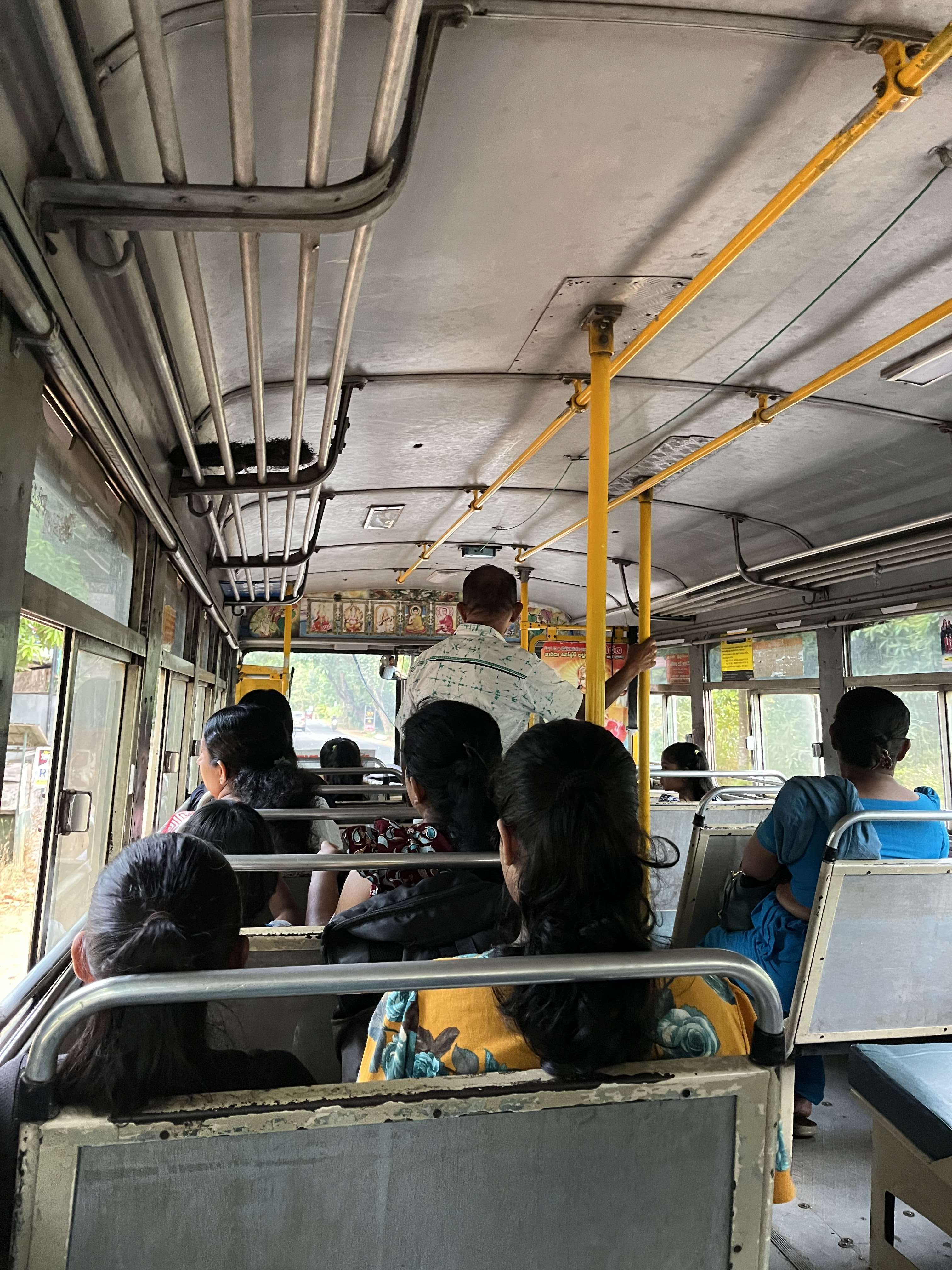
“Wesa ganiyek wage,” he said, comparing the vehicles to a prostitute who goes everywhere. I raised my eyebrows. It had been a long time since I’d heard that word used so casually in conversation.
He was in his fifties, my Uber driver for the ride to the highway bus stand, and we’d been talking for most of the way the way you sometimes do with strangers when neither of you has anywhere better to put your attention. Mostly him, mostly his life’s problems. He seemed stressed. He had pointed out a car on the road and mentioned he owned one like it, renting it out to the military, where it ended up in the use of a ranked officer. I told him I knew someone who had done the same with his van and it had come back wrecked, used carelessly by someone who had no reason to treat someone else’s vehicle well. That’s when he said it. His view was that when you rent out to the military, the vehicle gets passed around from person to person with no one taking ownership of it, like it belongs to everyone and no one at once. It cut through the conversation like throwing black paint at a white wall.
I was heading to Galle for my friend Pamath’s grandma’s funeral. I had met her less than a week earlier when I crashed at his place for almost a week to co-work with him, and we’d spoken a few times in the evenings, short conversations about books and Buddhism. She spoke English brilliantly. And now she was gone. I couldn’t process how uncertain life and death were from this news, how nothing about either of them was a given.
After the funeral I headed back to Colombo, packed up, and decided to finally make the trip to Sigiriya Lion Rock, an ancient rock fortress I had been trying to visit for months. This was my second attempt. The first time I had planned, packed and was ready to get the bus when I felt my stomach wasn’t right. Food poisoning that lasted over a week and helped me lose weight like I had a liposuction.
I ended up at Colombo Fort bus stand trying to figure out which bus would take me to Dambulla, jumping from stall to stall with a couple of people pointing me in different directions until I finally settled in one spot and waited forty minutes for an air-conditioned bus.
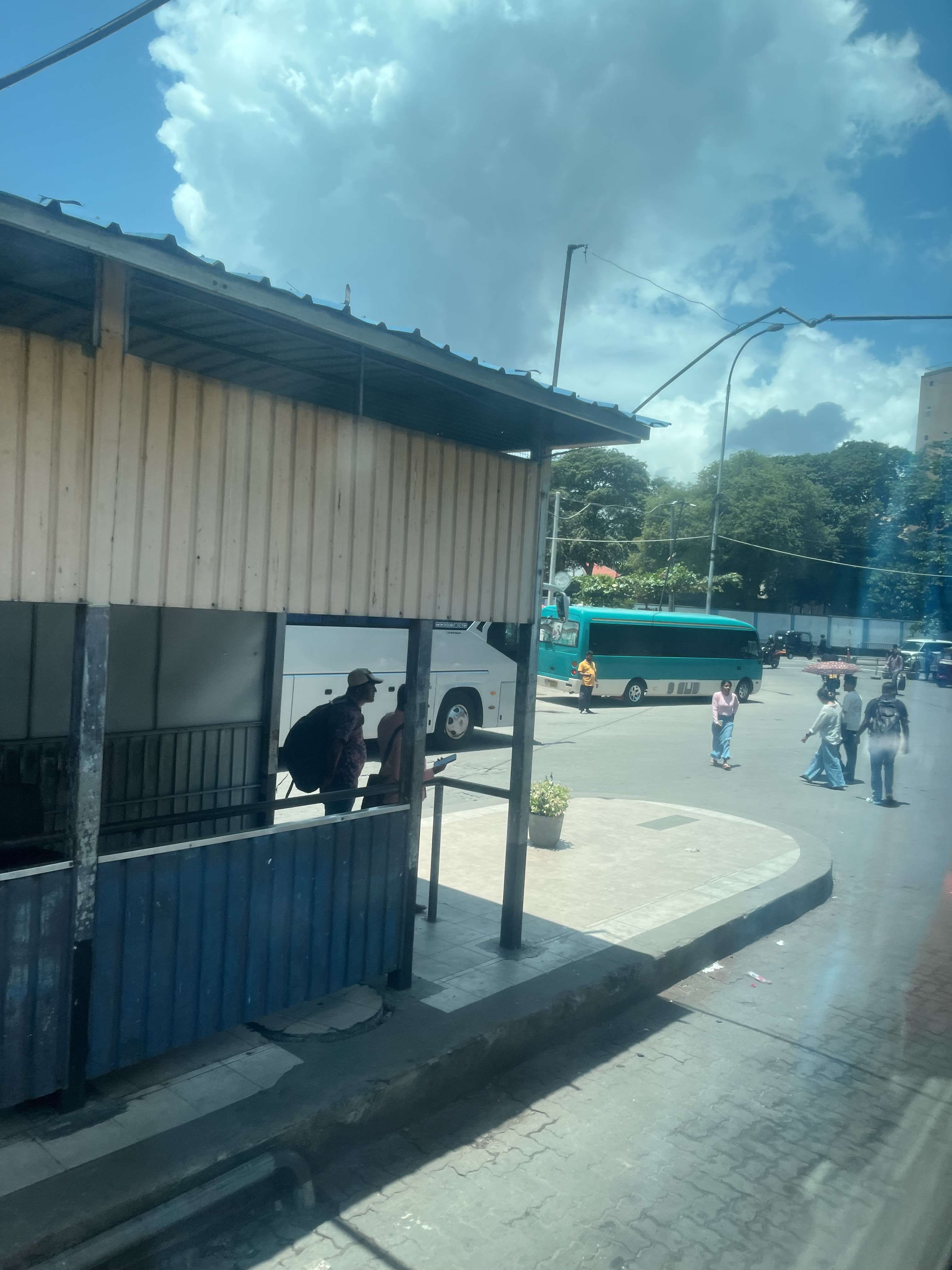
While waiting I spotted a Chinese man in all grey, cap, shirt, pants and glasses, showing his phone to a bus conductor nearby asking for directions to Anuradhapura, a city once ruled by generations of kings. The conductor fast responded something along the lines of “it will come” and did a hand gesture.
When the enormous bus arrived everyone lined up based on a first come basis, the people who came last at the back. The conductor looked young to be one, and when I asked if the bus stopped at Dambulla he responded without looking up. “Habai, 1800 ticket eka thamai kadanne mahattayo,” yes, even if you get down at Dambulla, you still pay the full Rs. 1800 ticket, sir. This was an Anuradhapura bus and Dambulla was just a stop along the way. I got on and was knocked out for most of the ride.
Closing in on Dambulla I woke up to find most shops along the road closed and deserted. The loneliness of the place started creeping in.
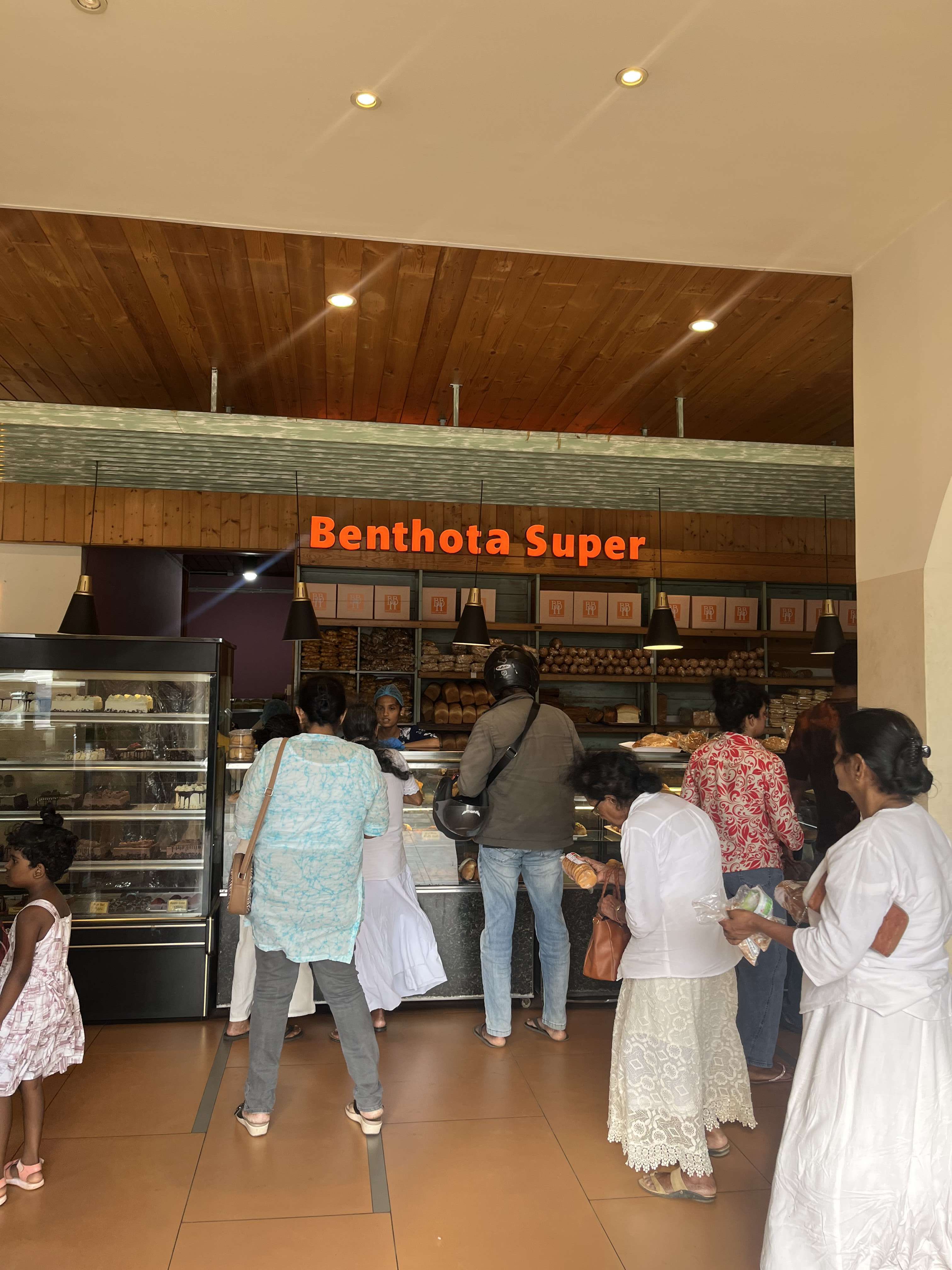
The first thing I did once I got down was grab a fish roll and Milo from Benthota Bake House, which was right on the opposite side of the bus stand. At my table sat an uncle who reminded me of my dad, same mustache. “Uncle, sigiriya bus kothanin da ganne?” uncle, where do I catch the Sigiriya bus? “Para eha patten,” from across the road, he said. I crossed and verified it with a tuk driver who told me Sigiriya buses were rare, around one per hour, and since it was a Sunday it would probably be late.
I could feel how much I was used to Colombo. Need a ride anytime of the day? PickMe or Uber. A midnight kottu? Some petti kade would be open. A late night drink? Enough bars to leave you hungover the next working day. I had grown up in a village and moved so far from that life I could feel the difference the moment things slowed down. I felt like an imposter.
Rather than wait I got a PickMe bike. The rider, Prashan, told me he used to work at DCSL, the Distilleries Company of Sri Lanka known for its arrack, but had quit his job a week ago because there were no sales coming in and he kept getting scolded for it. I was his first ride. “Sha maru ne machan,” that’s awesome, bro, I said, and we rode through village roads toward the rock fortress. I got his contact in case I needed a ride back.
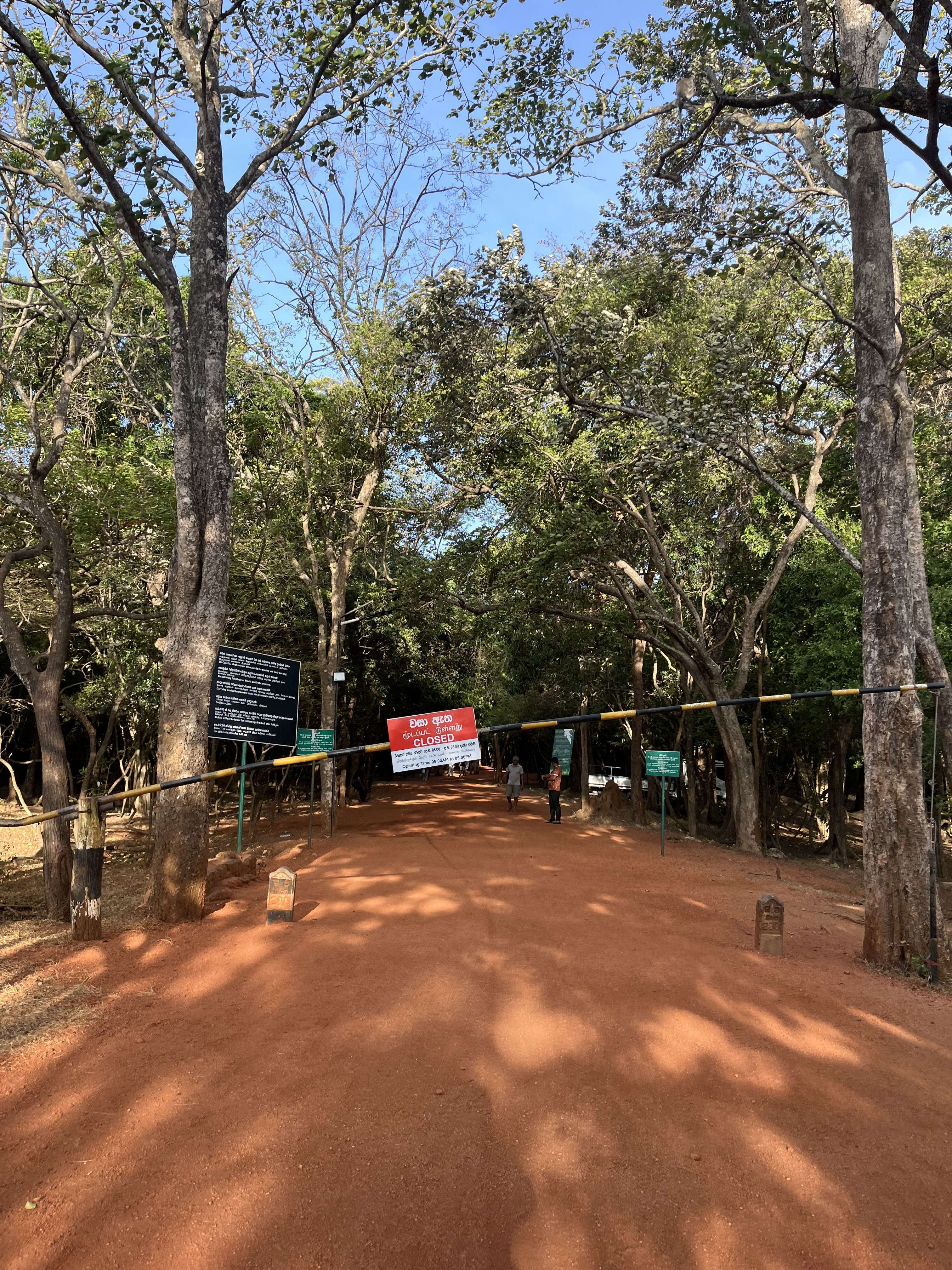
There was quite a bit to walk to find the entrance and in the process vendors lined both sides of the road selling hats, water bottles, toys and other touristy items. The gate barrier had a big sign that said closed but was half open. As I went past it a couple of uncles called out that it was closed, only open from 5am to 5pm. Google Maps said otherwise. I walked back, called Prashan, and headed to the hostel.
Well, shit. The place looked nothing like its pictures and good reviews and I was the only person there. A bearded man in shorts approached me and asked “enna kalin call karada?” did you call ahead? I said no, I had booked online. He didn’t ask for more and just showed me to a dorm room. The moment I got there my instincts for safety switched on, things really didn’t sit right. About ten minutes in I decided to walk out. Lesson learned, you get what you pay for.
The next place was much better, still just me, but it felt like it had actually been built for tourists. At the back of the hostel was a dried out waterhole I sat by for a while, and for dinner the guy managing the place offered Sri Lankan fried rice off the menu for Rs. 900, special privilege for a local perhaps, or maybe just the assumption that I wouldn’t pay the higher prices. Either way I was happy with what I got.
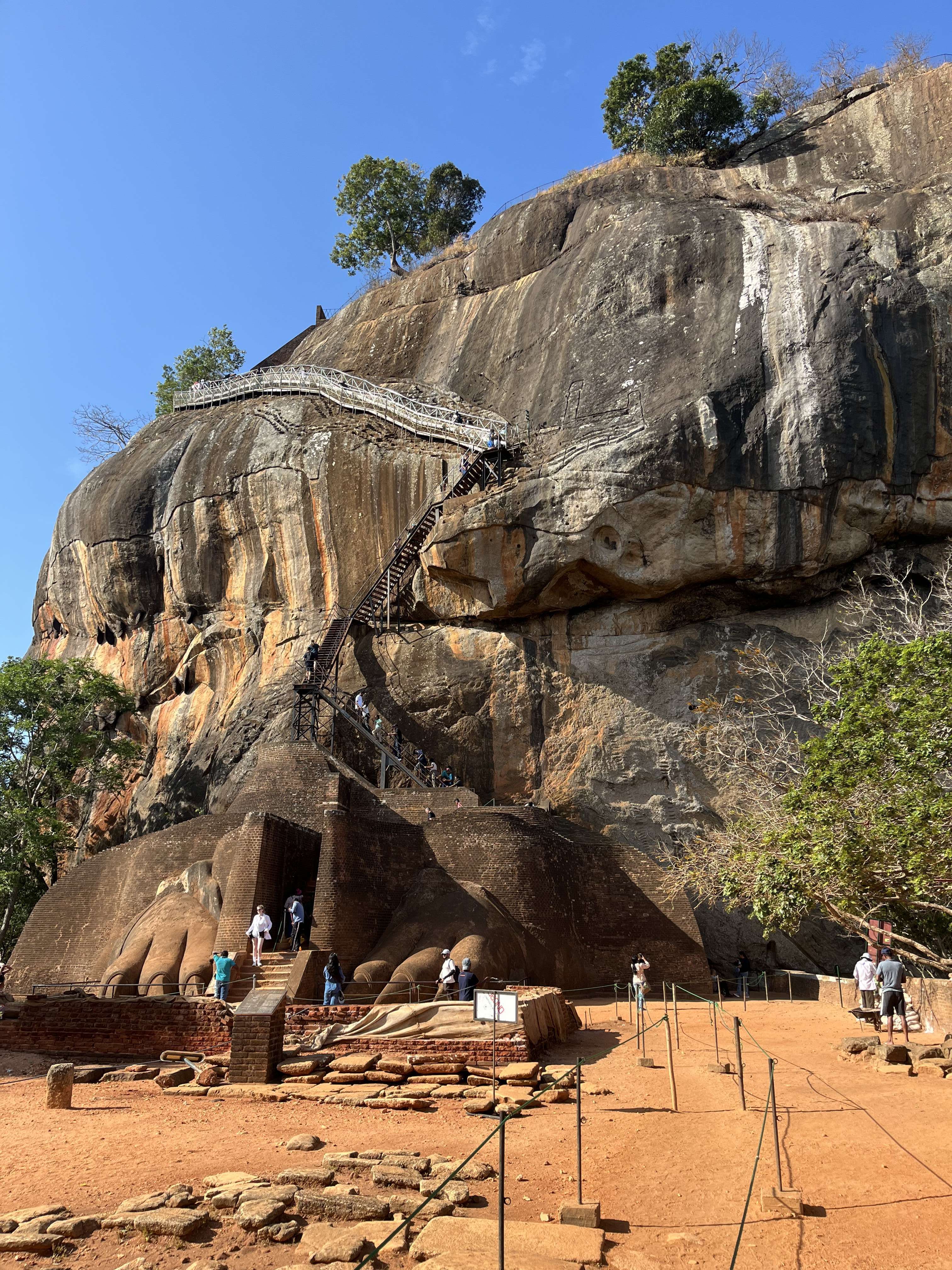
Based on Wikipedia and what Mr. Chandrathilaka, my Ordinary Levels history teacher, had taught me, King Kashyapa I built Sigiriya rock fortress in 477 AD, and his story reads like something between a Shakespearean drama and a horror film. He murdered his own father by walling him up alive, stole the throne from his half-brother Moggallana, and built this entire fortress on top of a rock in the middle of the jungle, partly out of paranoia, partly out of ambition, and partly because a man who has done what he did needs somewhere very high up and very difficult to reach. He even carved a massive lion gateway into the rock halfway up, with an enormous head and open mouth that visitors had to climb through to reach the top, symbolically entering his kingdom through the jaws of a lion. Only the two gigantic paws remain today, the head and body long collapsed into the jungle. Moggallana eventually came back from exile with an army, and Kashyapa killed himself rather than be captured by the brother he had tried to destroy. The whole reign lasted eighteen years. For a fortress built over fifteen hundred years ago, it was hard not to be in awe of what remains of it. Someone once loosely credited Walt Disney with saying that if you can imagine it, you can do it. Kashyapa imagined a lion fortress on top of a rock in the fifth century. I think I need to imagine more.
I thought about all of this halfway up the climb the next morning, between trying to catch my breath and watching where I put my feet.
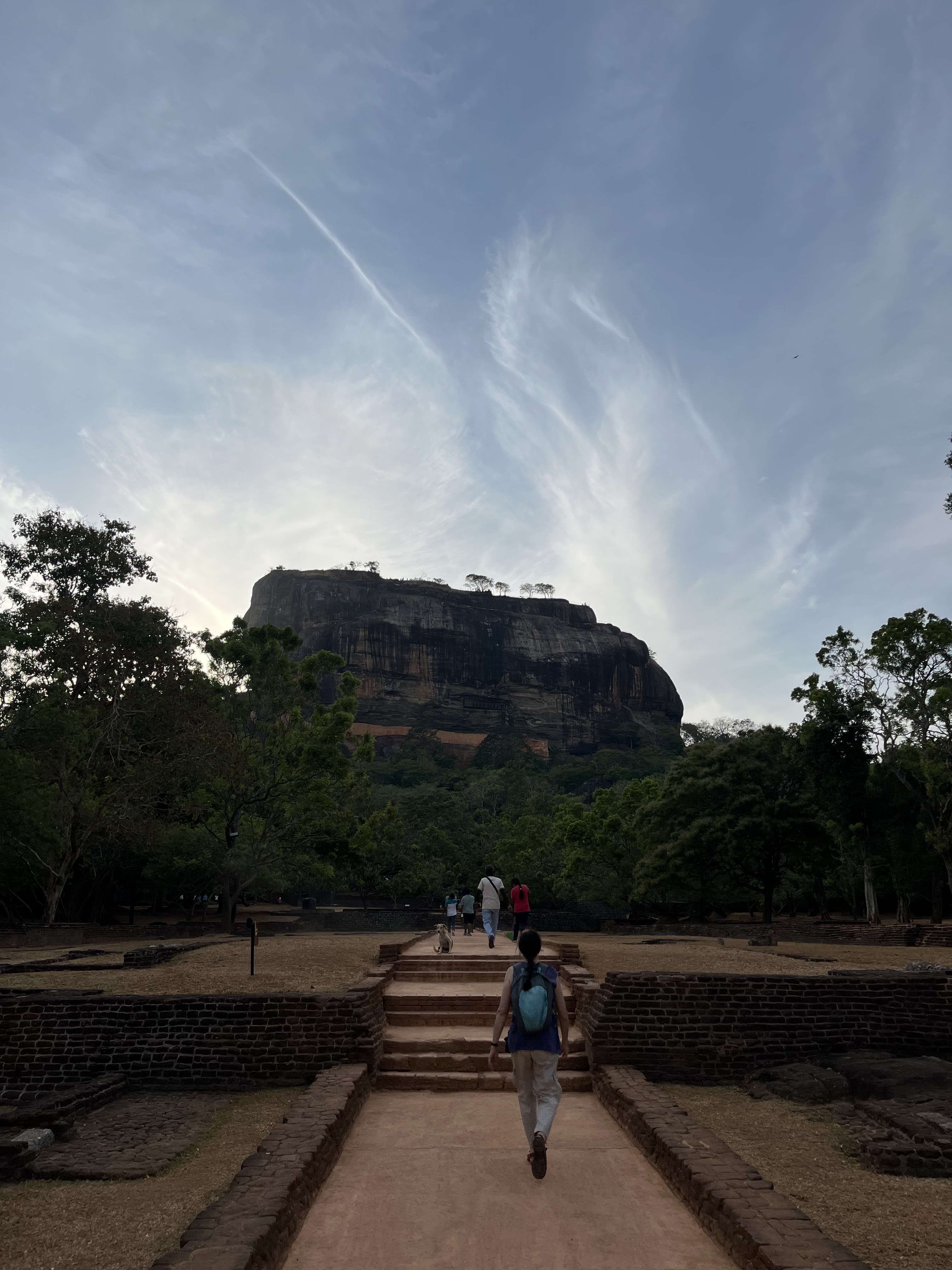
There are at least a hundred ways to die on that rock. Watching the Final Destination film series really did mess me up, because I found myself cataloguing them as I went up. You could slip and fall, the metal steps could break, the wind could push you off a ledge, someone falling from above could take you with them. I met a German guy halfway up and joked that I should have done more stair climber exercises. “No more leg day after this,” he said joking back, and asked if he could take my picture after he was done. Sure, I said.
I chatted up with another guy on his way to the top, and while he made it he drank some water and spat it out right by the path where people walked. In my head, dude, you’re definitely not supposed to spit at a historic monument.
“Ballonta kanna denne kawuda danne na ne,” nobody knows who feeds the dogs up here, said a family man sitting with his three daughters under the shade of a bo tree. “E gollanta yanna baruwa inne,” they can’t even get back down, he added. I stopped for a second and genuinely wondered how the dogs had made it up there in the first place.
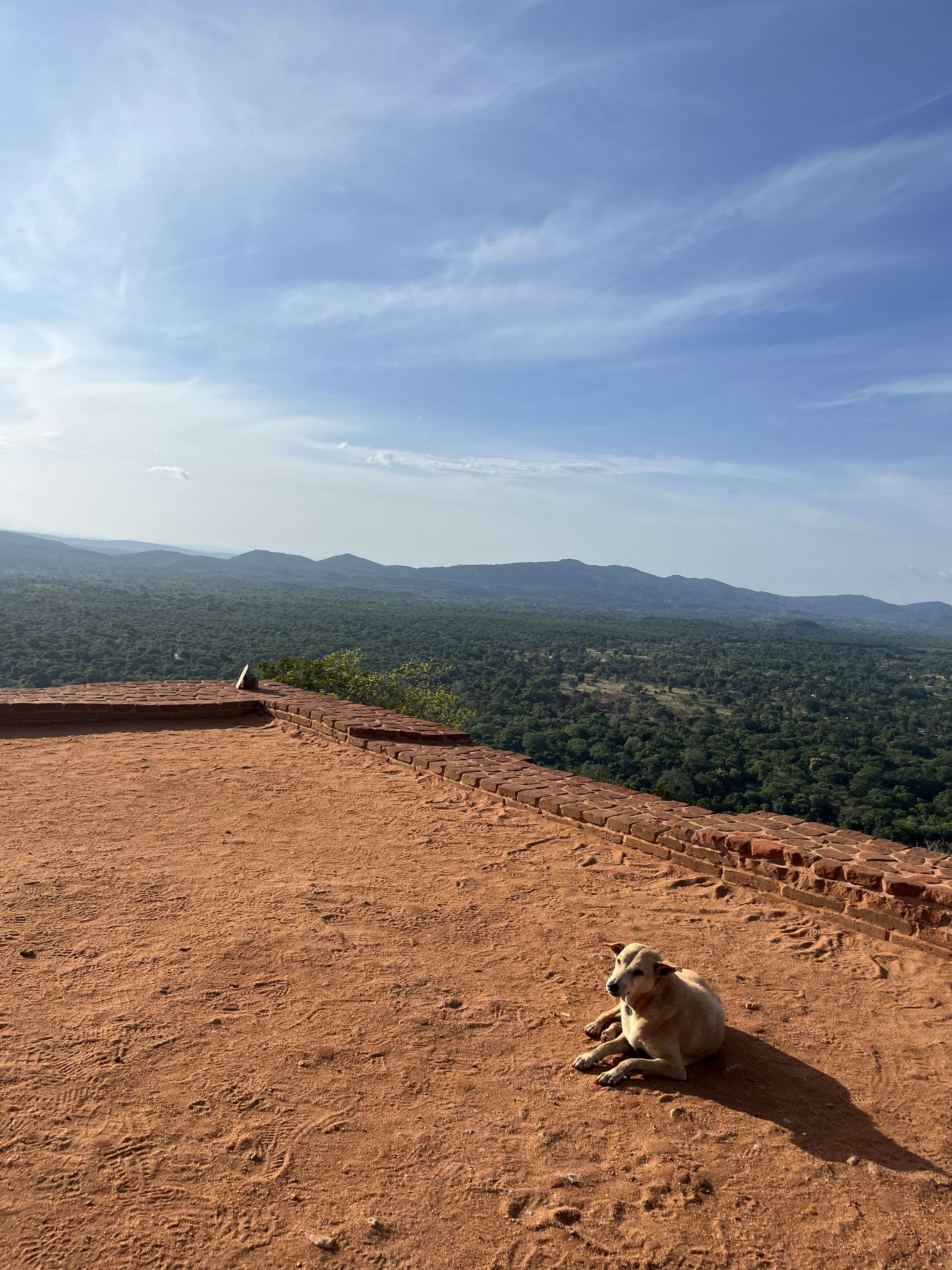
At the top, on the other end facing the Sigiriya tank, I spotted a man above sixty in a green collared t-shirt and smiled. He smiled back. “Photo ekak wath ganna ba neda?” can’t even take a photo because of the strong wind, he said. “Ow neda uncle,” I said, acknowledging it. I asked where he was from. Gampaha, he said, and when I mentioned I was from Colombo he said he knew the junction I lived near, the way people from the same island always find the shared reference that makes the world feel smaller. We spoke for a bit and then he walked away, gazing at the Sigiriya tank one last time from the edge.
I offered to take pictures for many people who were waiting for a bypasser to ask, and cool enough they asked if I wanted one taken too. Every picture I have of Sigiriya was taken by a stranger I will probably never meet again. I considered it to be my contribution to society for the day.
I spotted workers near the top, probably there for maintenance, and asked one of them where the frescoes were. On your way down, he told me. I wondered if they ever thought about how remarkable this place was, having to climb it multiple times a month for work, or whether you stop seeing things once they become routine.
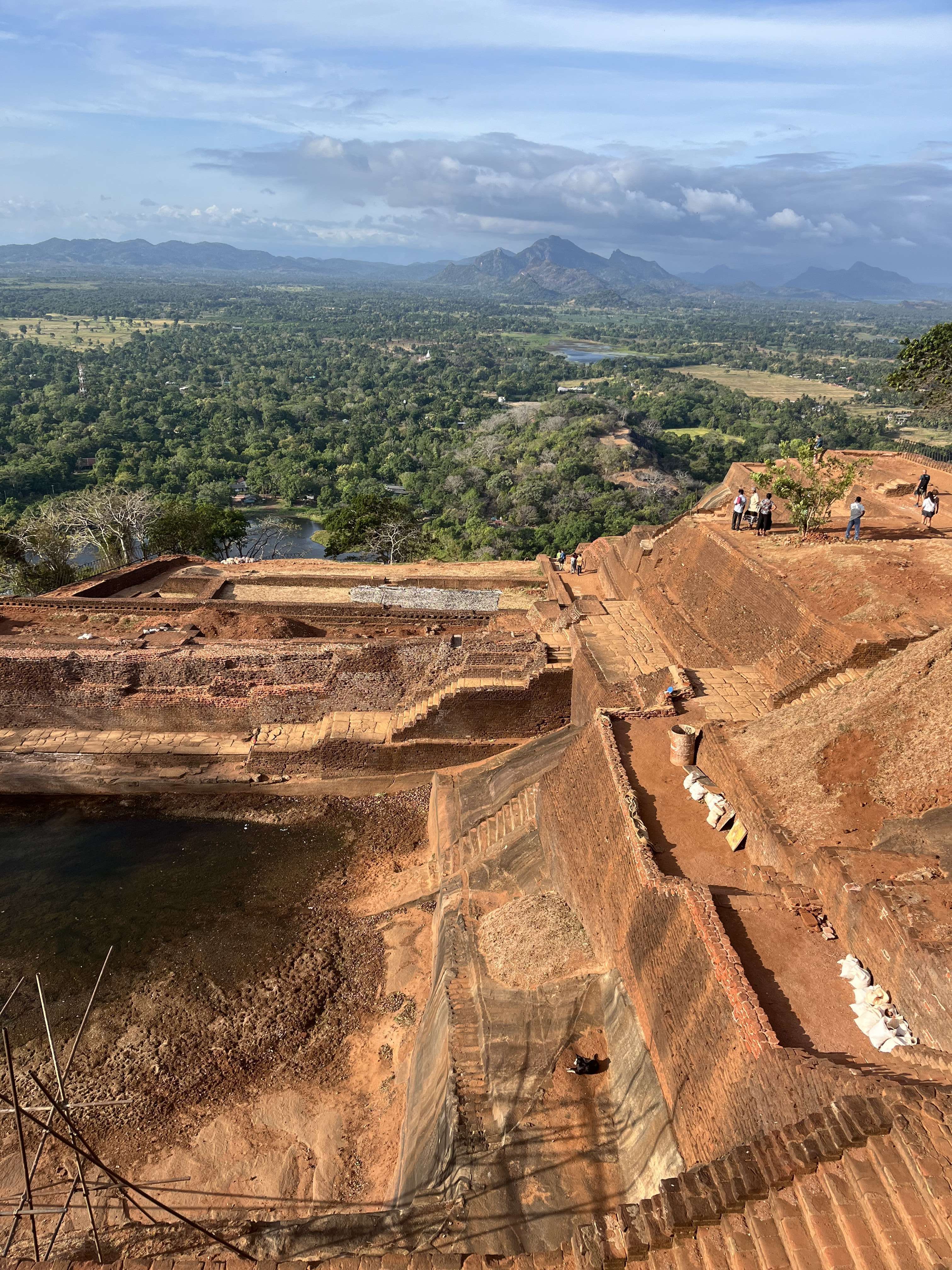
I found the throne, the bare remains of it, a huge seat carved directly into the rock. I sat there wondering whether King Kashyapa had some sort of cushion on it or whether he just had to stand up once an hour because the surface was completely flat. Hopefully he had something on top. Maybe. Maybe not.
On the way down I had to ask four different people where exactly the frescoes were, with some telling me I was supposed to have seen them on the way up and should take the metal bridge path going down. Pick the different path to see the ancient art. It reminded me of Temple Run, the game, where you’d swipe to pick which path to run down.
I saw an old man with a blueish tattoo on his leg, the Chelsea Football Club badge. That was pretty cool. I thought about getting a JustEnglish tattoo myself, but my skin would probably be too dark to see the logo. Maybe that’s one of the reasons I’ve been enthusiastic about it but keep procrastinating.
Inspired by a lady in a white top wearing wired earbuds, I kicked off Radiohead Essentials on my way down. I purposely chose a different path from what everyone else was heading down on, mine looked well built with rocks and compact.
A lady on the stairs had passed out or was resting, I wasn’t sure which, with her husband and kid sitting by her. Everyone was rushing past them, up and down, around them, it was a narrow path. Something I kept thinking throughout the whole climb was that it didn’t seem like there were many options to get help if something went wrong up here. I didn’t want to take a chance at it.
When I went past the metal bridge a Sri Lankan guide in front of me was explaining to the tourists behind him, “before having painting, the sun come from the wall,” where he was explaining about the mirror wall. Nearby a metal sheet with information printed in black explained what the mirror wall was, “known as the mirror wall because its surface has been highly polished like a mirror.” And another line on it got me to pause and read. “Most of the scribble after the 13th century is mere reportage lacking poetry intensity and feeling.” I agreed with the metal sheet.
From there, after climbing some man made stairs it led right to the entrance of the small cave-like space, black fabric blocking the sunlight, I asked the man in the dark blue collared shirt whether the frescoes had ever been painted over even once just to preserve the color. He shook his head. Not even once? He shook his head again. If that was the case it was marvelous, eighteen topless women painted in shades of yellow, orange and red, the majority of them holding flowers, preserved for over fifteen centuries without being touched, two of their faces patched up with cement where holes must have occurred at some point.
As much as I was grateful for being able to pay Rs. 120 to get in as a local, foreigners pay around $35, I was equally grateful for the fact that there were washrooms at the top, which I would’ve needed in case emergency had struck, based on how much water I had drunk on the way up. Radiohead’s High and Dry felt like the perfect song for the experience. High on adrenaline in a dry zone.
A young man on his way down made eye contact with me and bobbed his head. I bobbed back. It was either a hello or a goodbye, I wasn’t sure which.
After an eight minute walk, I couldn’t have been happier to see a Barista, my go-to co-working coffee spot, to open up my laptop and check in to work on a fine Monday morning with the aftertaste of cold brew. A boy walked in with his parents while his slightly smaller brother was busy messing with the guitar near my table. The boy walked straight up to my table, picked up my tissue, started messing around with it, wiped his hands, crumpled it up and it fell to the floor. His dad saw it on the floor and strictly told him to pick it up. He did, and put it right back on my table. I sat there wondering if I had done similar things as a kid.
Around 4pm the PickMe driver called. “Aiye, oyata poddak issarahata enna puluwanda?” sir, can you come a little further ahead? There’s a three-wheeler park nearby, he said. The tension between regular tuk drivers and PickMe drivers clearly still existed out here.
The roads got more deserted the further we went, thick forests on both sides. I kept thinking about the five separate strangers who had warned me about elephants since the day I arrived. My phone signal dropped to E as I was looking at the map, and it was already getting dark. What if I got stuck out here too late? Fight or flight started kicking in.
I asked the driver to wait ten minutes while I checked the Pidurangala temple and came back. He was hesitant but I convinced him. When I got there the temple itself wasn’t much to see, but I spotted tourists climbing a rock staircase up toward the Pidurangala rock. Would I regret it if I didn’t go? Where’s your risk tolerance? “Fuck it, we ball,” I told myself, went back, paid the driver in cash and told him I wasn’t coming back.
As I turned around, two women in their twenties asked if this was the right place. “Is it too late to hike up?” they asked. I told them I wasn’t fully sure, I had just got there too, but I was thinking of going up, and we started the journey together.
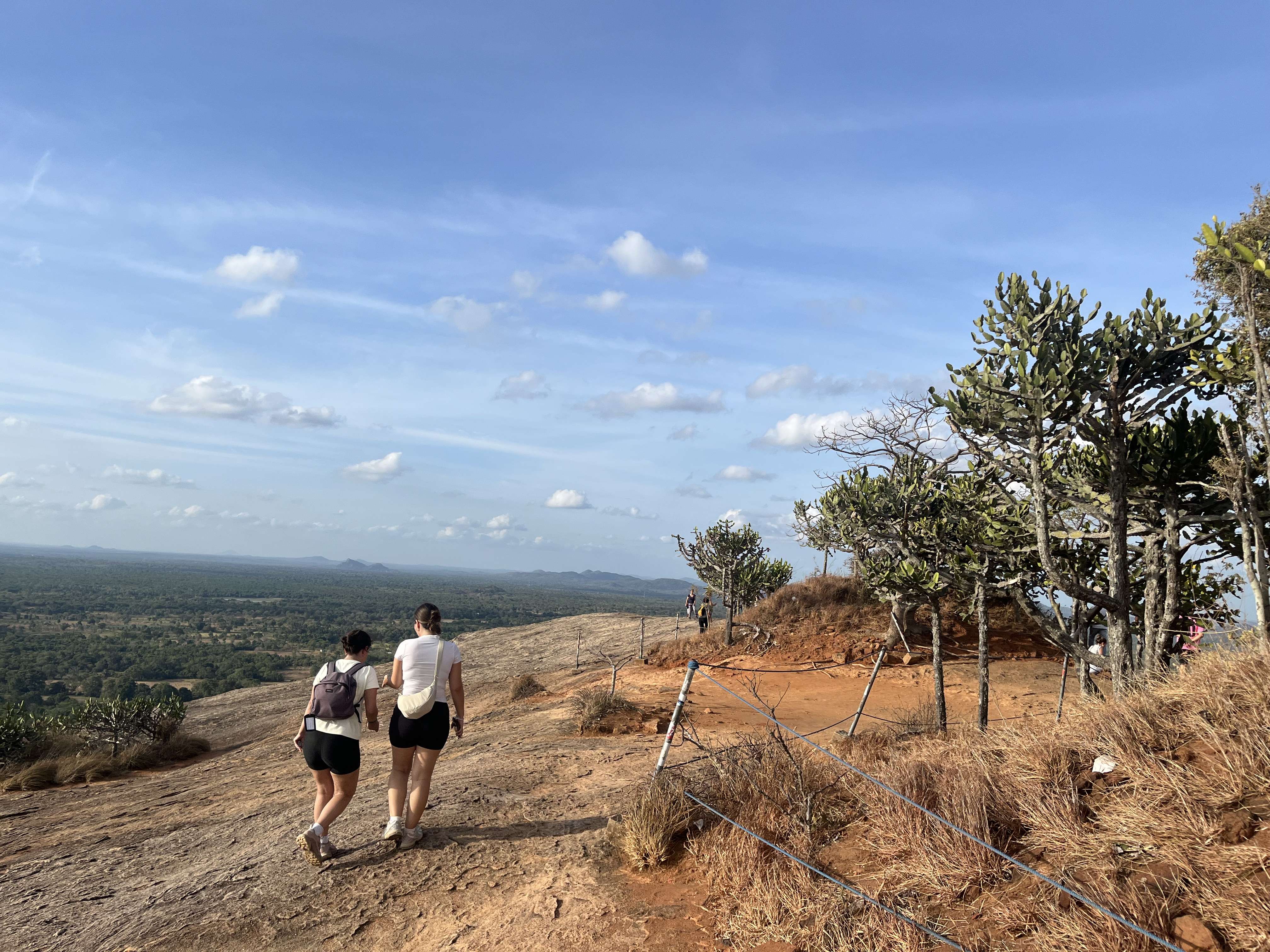
Júlia and Judit were from Barcelona, had gotten to know each other through their hometown, and I had assumed at first they were sisters. Both were teachers and had just started travelling outside Europe. We hiked up stopping at random spots to catch our breath while tourists who had already reached the top came down past us.
It took around thirty minutes to reach the base of the actual rock, where there were spaces you had to crawl through to get on top. The distance on top of Pidurangala felt double that of Sigiriya, but being a flat surface with no man-made interference it was like stepping onto the moon, and around it you could see miles of trees, fields and lakes spread out in every direction. Right next to it stood Sigiriya, its neighbor, and you could see tiny figures going up and coming down like ants in a colony.
“Lo mico!” Júlia said, pointing. That’s Spanish for monkey? I asked. Yes, they said, smiling. Learning your first word in Spanish at the top of Pidurangala has to be one of those once in a million moments, no?
In the middle of the rock there was cactus, orange soil and dried out grass that reminded me of the Breaking Bad scenes where Walter and Jesse cooked in the desert, filmed in To’hajiilee. I’m sure someone would have spotted the smoke if they tried it here.
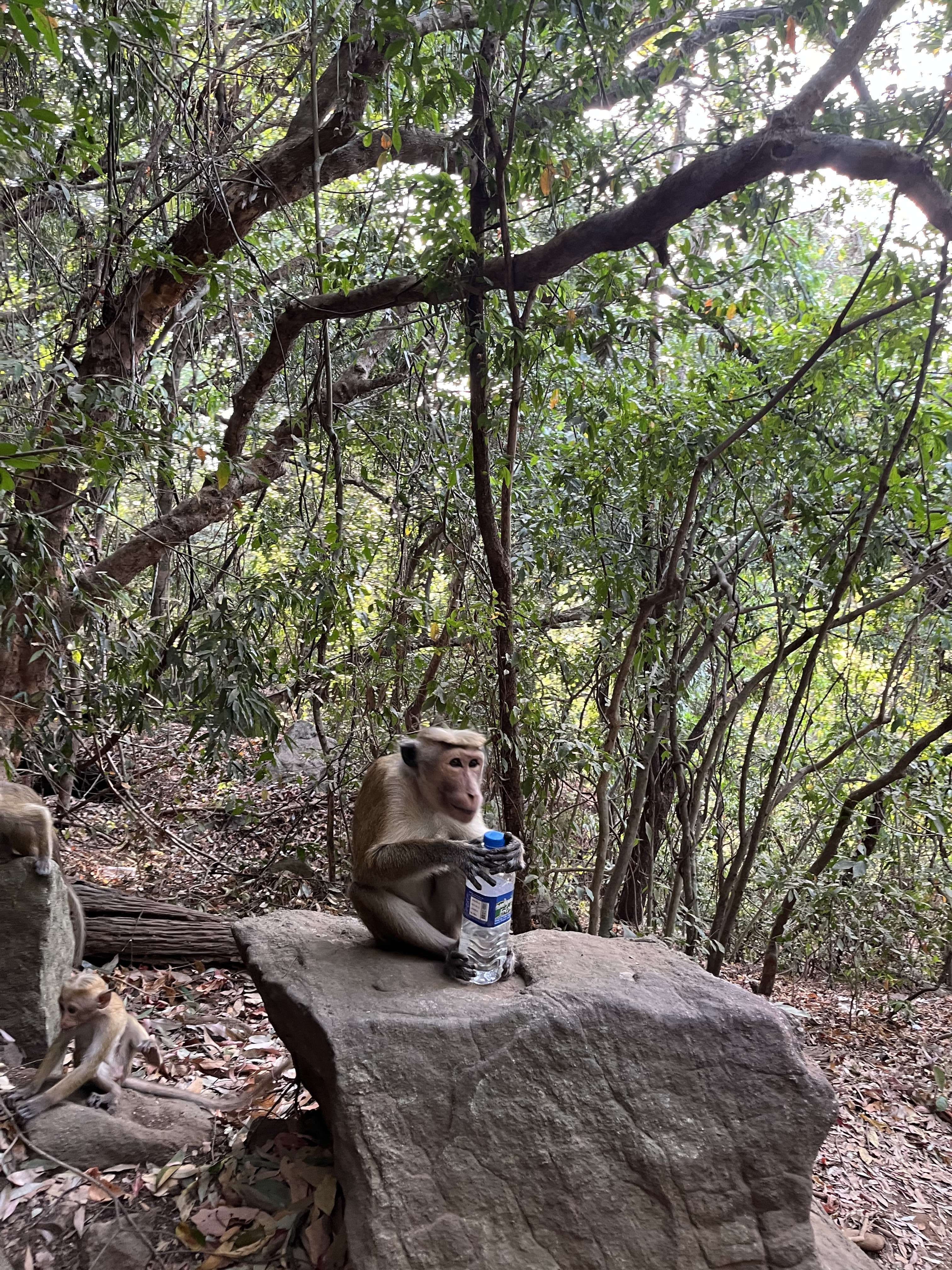
On the way down next to the Buddha statue there were cairns created by fellow travelers, so we stacked a couple of rocks and added ourselves to the collection. The family walking just ahead of us had a water bottle the monkeys had been eyeing, following them closely and getting louder until the dad gave in and tossed it. As we walked past we watched one of them twist the cap open and drink directly from it.
“Bus eka 7ta enawa,” the aunty at the hopper store told me the next morning when I peeked over the counter to ask about the Dambulla bus, the bus comes at 7, she said.
The start of the ride was one of the slowest I had been on in my life. I watched as people got on, mostly school students in radiant white uniforms and women in blouses and sarees, probably their teachers and parents. It seemed like everyone knew everyone, where the latest passengers who got on would start conversations with the person in front of them the moment they stepped through the door. There was no rush, it wasn’t loud, the air felt calm. I thought about how chaotic a bus back in Colombo would be. I had judged too early though, once we hit the town areas the bus picked up speed and I realized I had assumed wrong. My journey back to the city of dreams and opportunity had begun.